Learning Labs · Next Cities Academy

The Singapore Urban Learning Lab

A 4-day immersion into how Singapore actually works. Planning, housing, mobility, water, districts — read on the ground with the institutions that built them.

4-day immersionSingapore · ASEAN extendableCohort of 12–24Inaugural · 2027
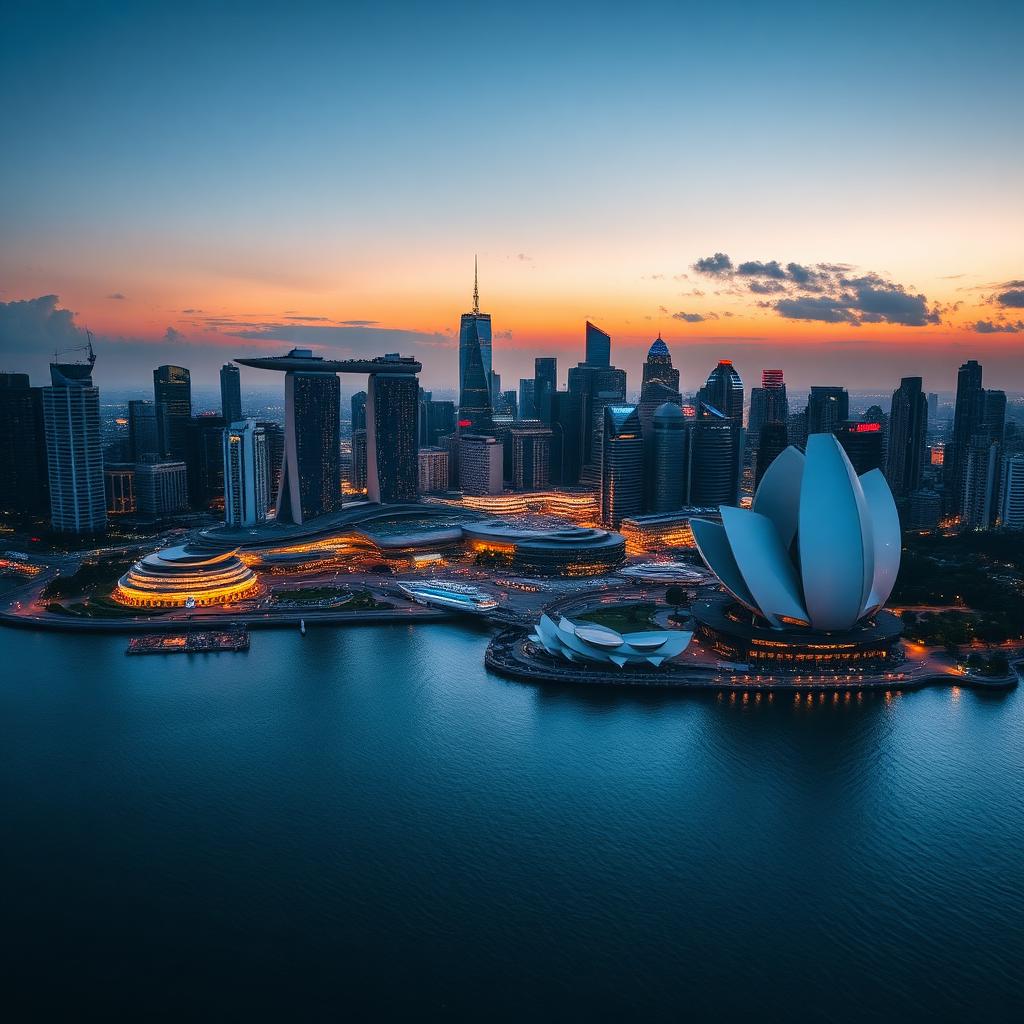
Singapore skyline
Singapore public housing
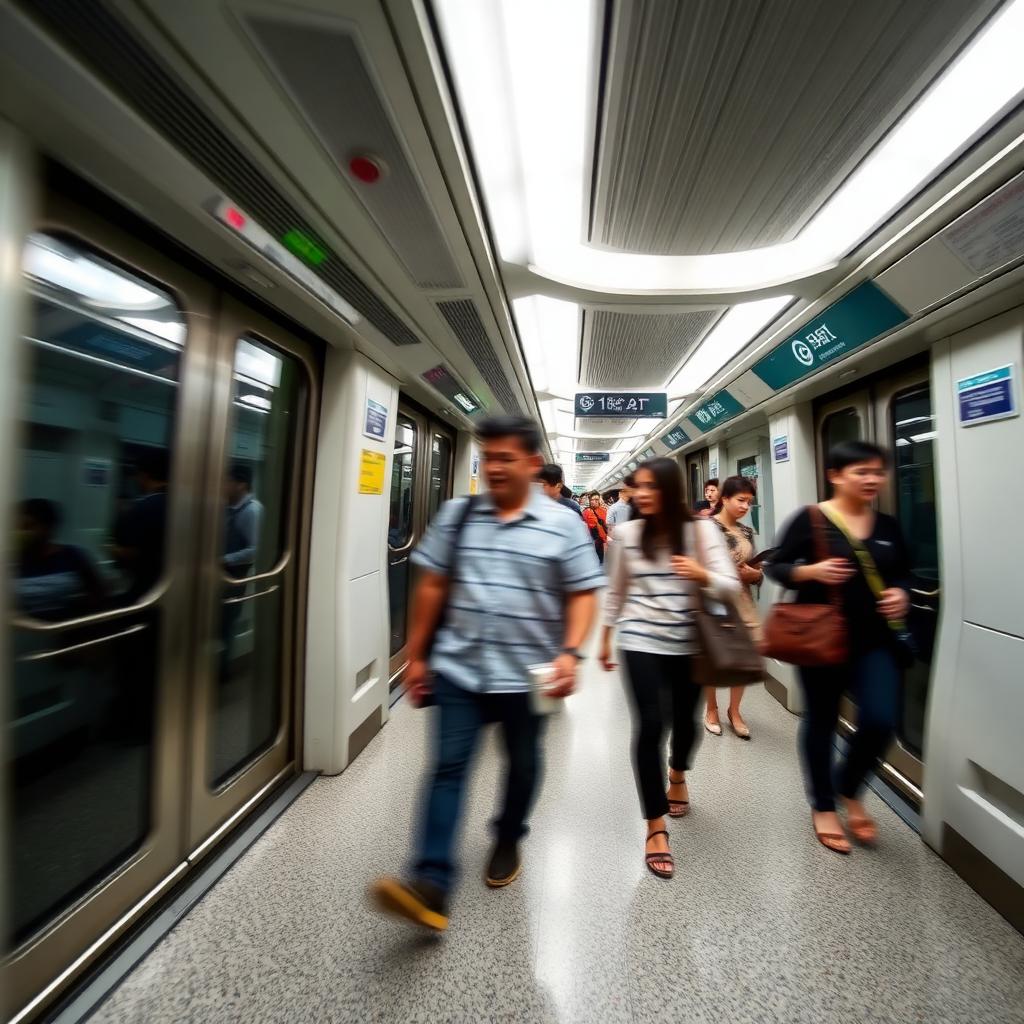
Singapore MRT
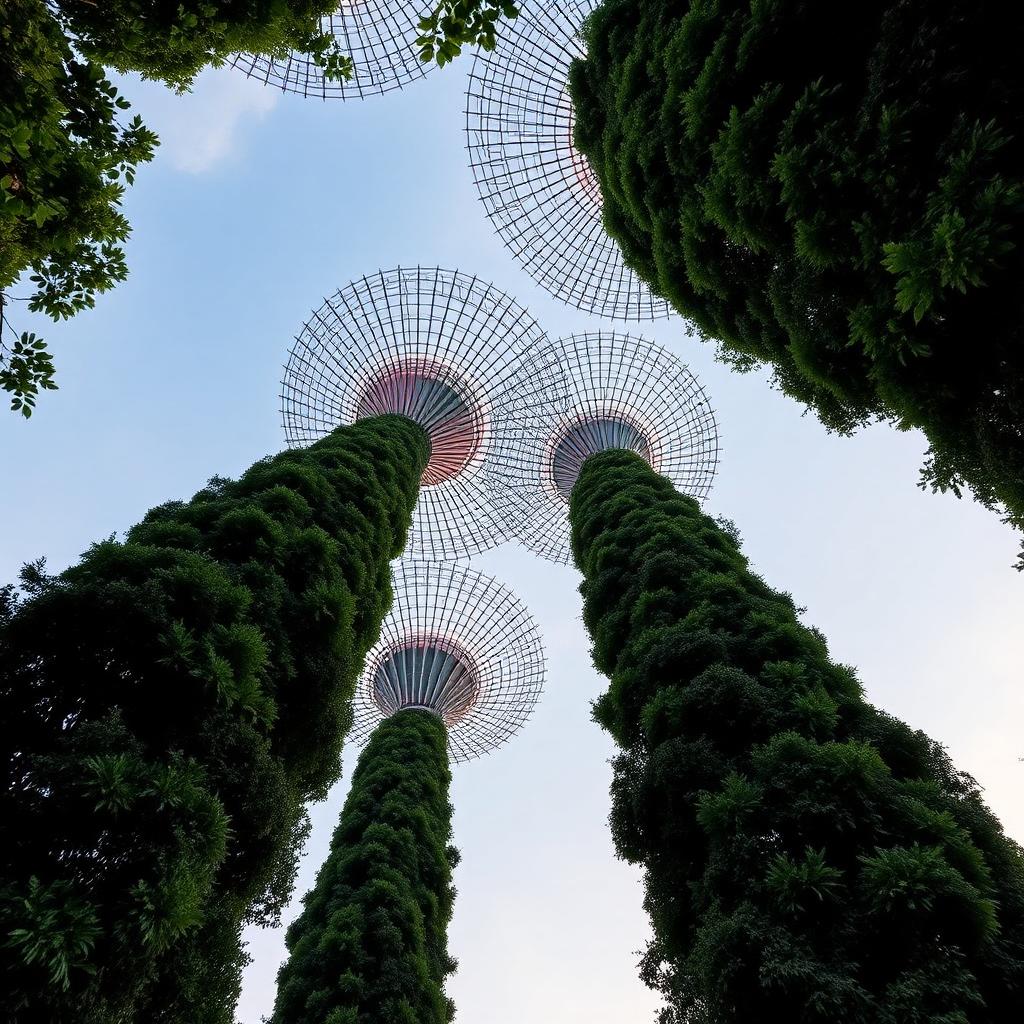
Gardens by the Bay
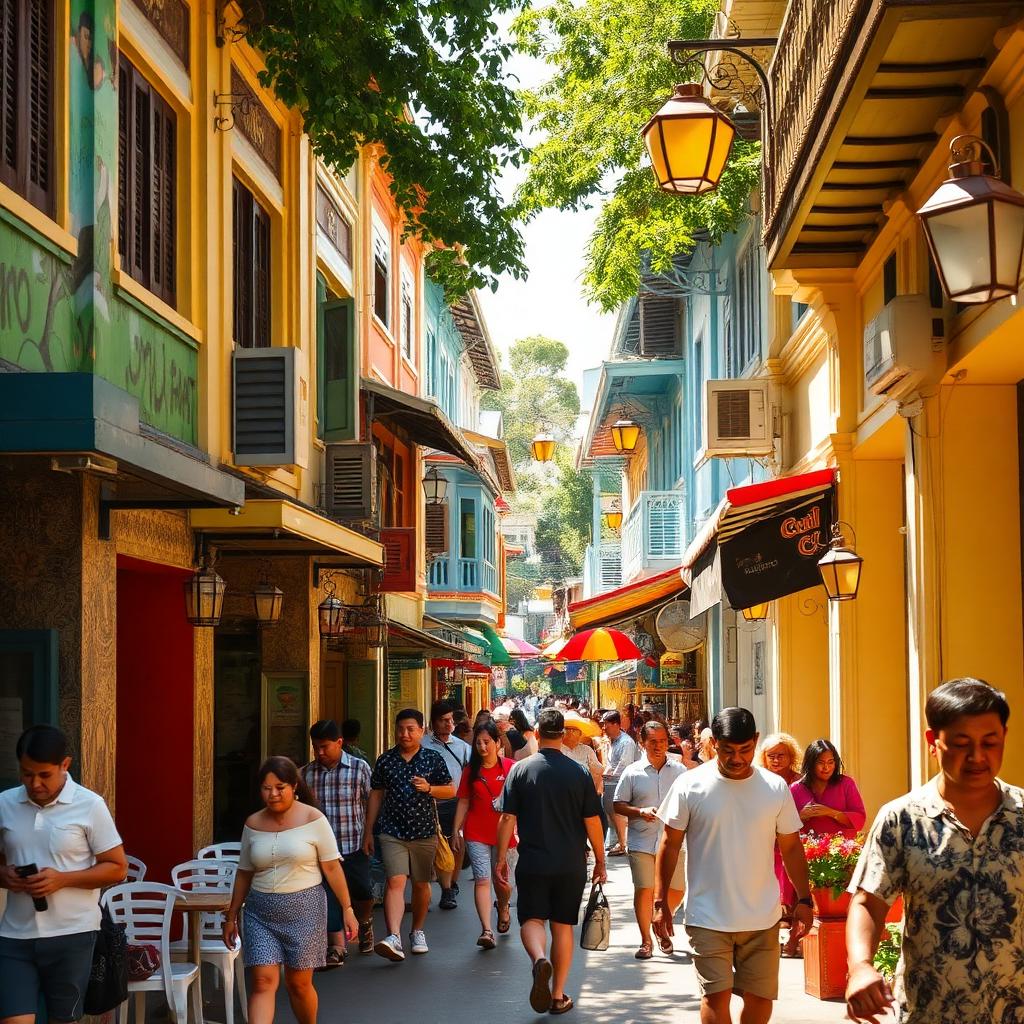
Singapore shophouses
Overview

Singapore is the anchor. Asia Pacific and Africa are the field. The city is the classroom.

The Singapore Urban Learning Lab is the flagship format of Next Cities Academy: a 4-day inbound immersion for senior leaders working on planning, housing, mobility, water, and ecological systems at scale.

You read the city through five connected lenses — on the ground, with the institutions that built them. Each cohort is anchored to a strategic question the delegation is bringing in: what to do, where you are, with what you have.

The Lab can be extended into ASEAN — Jakarta, Ho Chi Minh, Manila, Kuala Lumpur, Bangkok — for comparative fieldwork.

Five Lenses

Five ways to read the city.

Each lens is taught by a practitioner who runs the system you're looking at — not a commentator on it.

  • Planning at Scale

    How long-term vision, land use, and governance shape the city over decades.

  • Housing as National Infrastructure

    How public housing operates as a social, economic, and spatial system.

  • Mobility and Everyday Movement

    How transport, density, and walkability shape how the city is used.

  • Water, Climate, and the Landscape

    How infrastructure, ecology, and resilience are designed together.

  • Districts and Urban Life

    How heritage, commerce, and new development coexist and evolve.

The Experience

Learning unfolds through movement.

You begin with the foundations—how Singapore plans and operates at scale. You move into the systems in action—housing, mobility, water, and green infrastructure. You spend time in districts where these decisions play out in everyday life.

Observe → question → connect → reflect.

Programme Structure
Day 1

Foundations

Planning, land use, housing, and ecological systems. The day grounds participants in how Singapore plans and operates at scale.
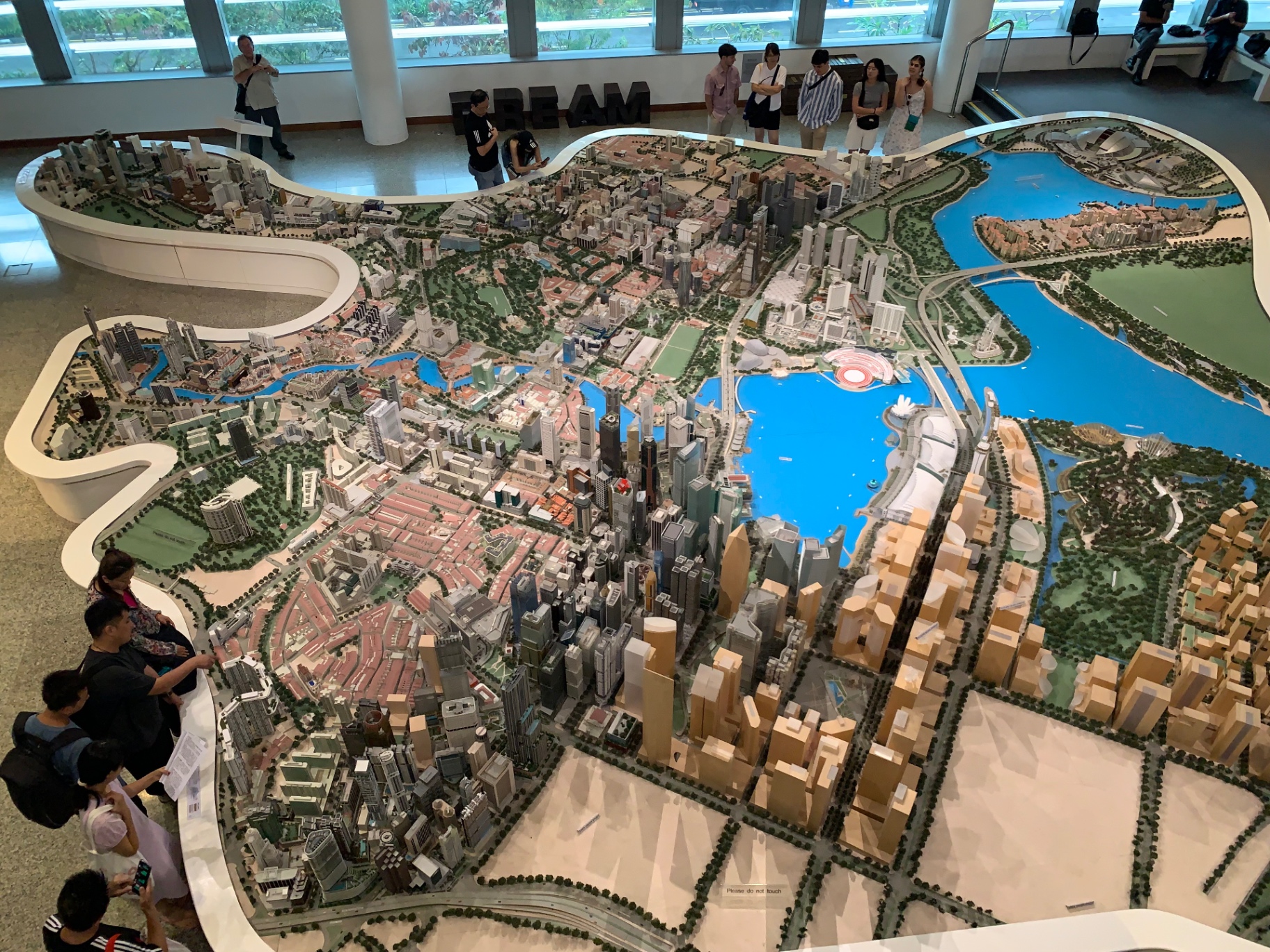
URA City Gallery

URA City Gallery

An introduction to how Singapore plans its growth—land use, density, and development coordinated across the entire city.
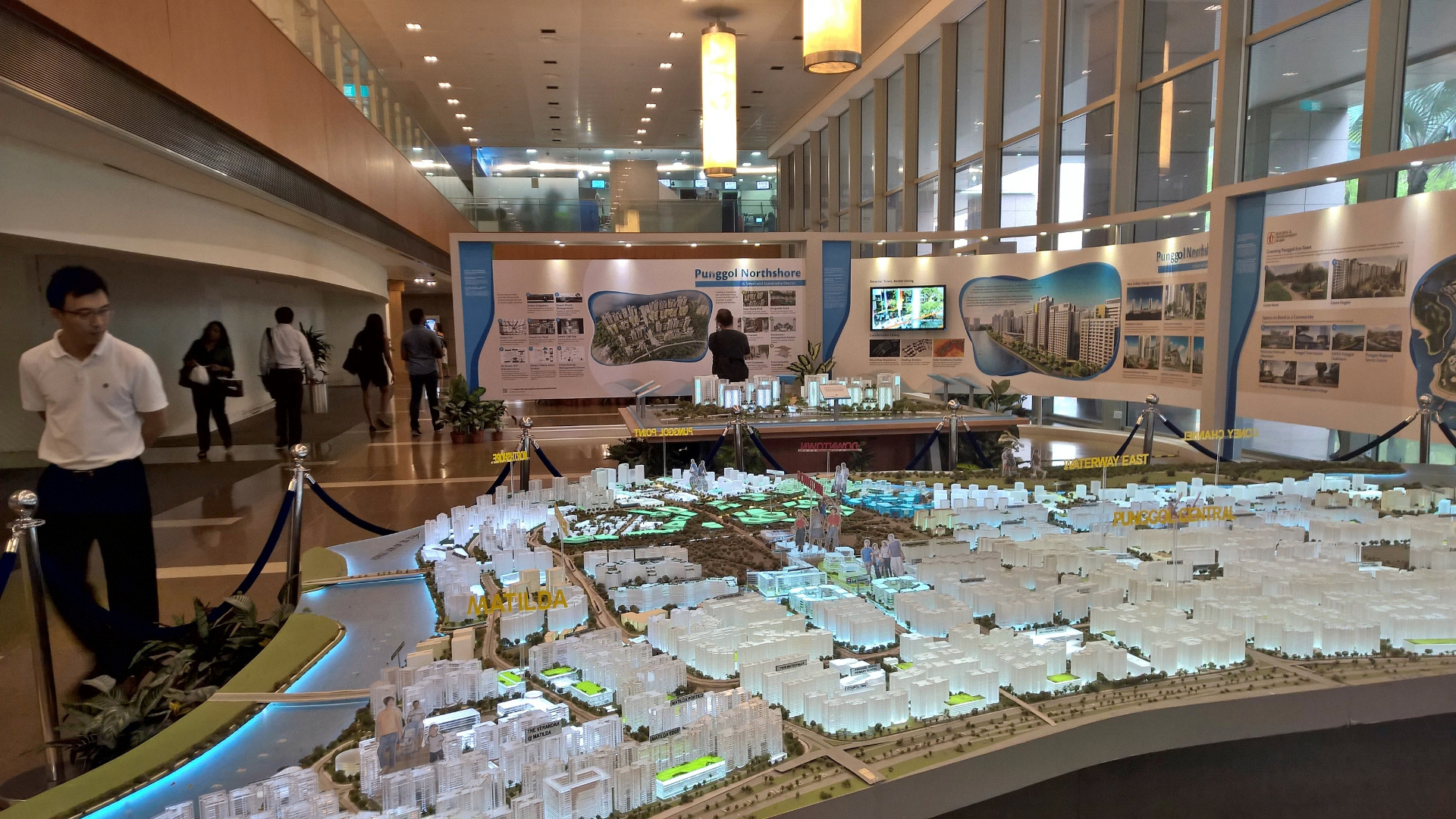
HDB Hub

HDB Hub

Where Singapore's public housing system is managed—how policy, financing, and design come together to deliver housing at scale.
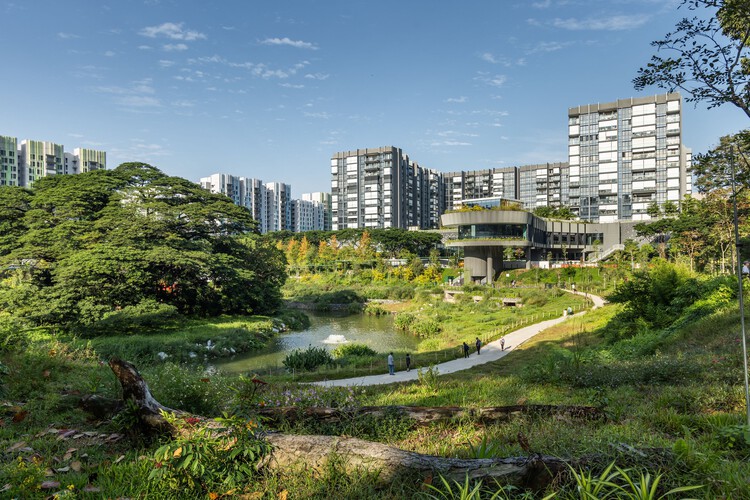
Bidadari Estate

Bidadari Estate

A new residential district in development—showing how housing, green space, and community are being integrated today.
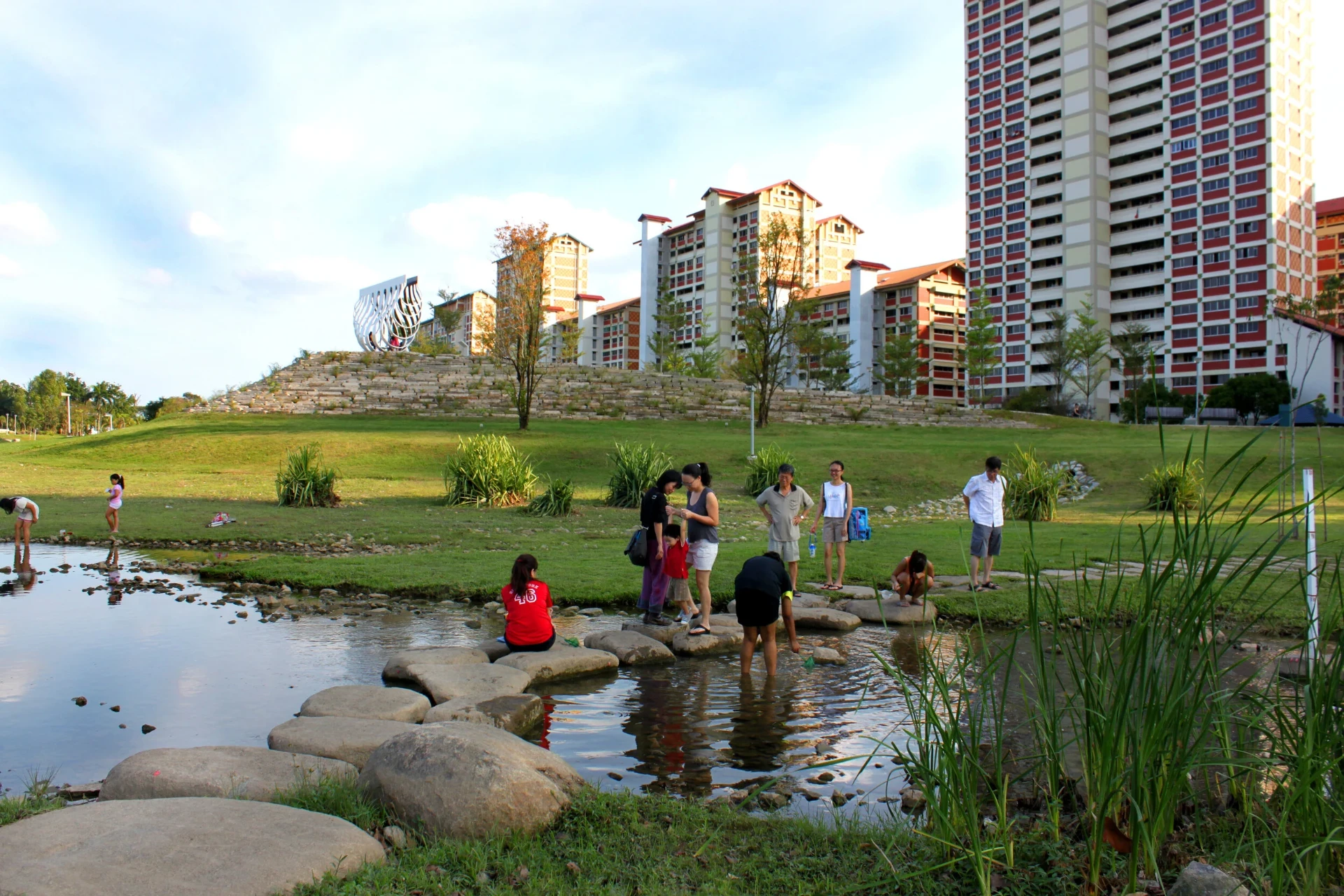
Bishan Park

Bishan Park

A transformed river landscape—where flood control, ecology, and public space are designed as one system.
Day 2 – 3

Systems in Action

Mobility, water, density, and green infrastructure — walked, briefed, and pressure-tested with the institutions that operate them.

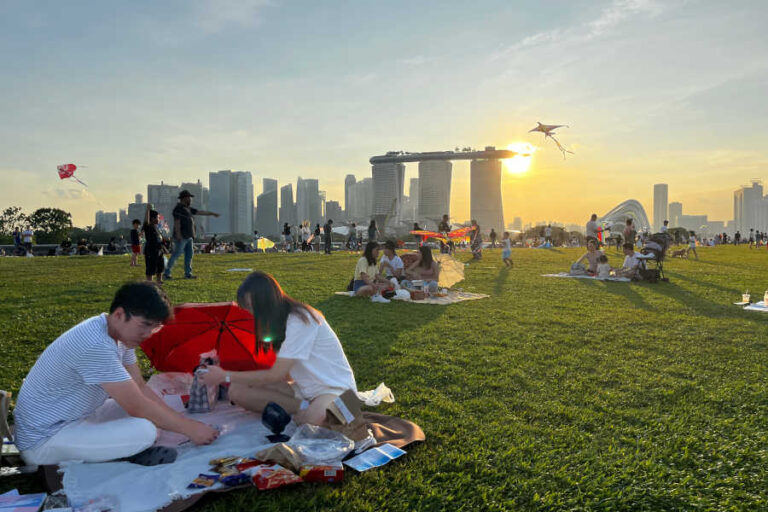
Marina Barrage

Marina Barrage

A defining piece of Singapore's water system—turning the sea into a reservoir while holding the city safe from floods, and opening it up as public space.

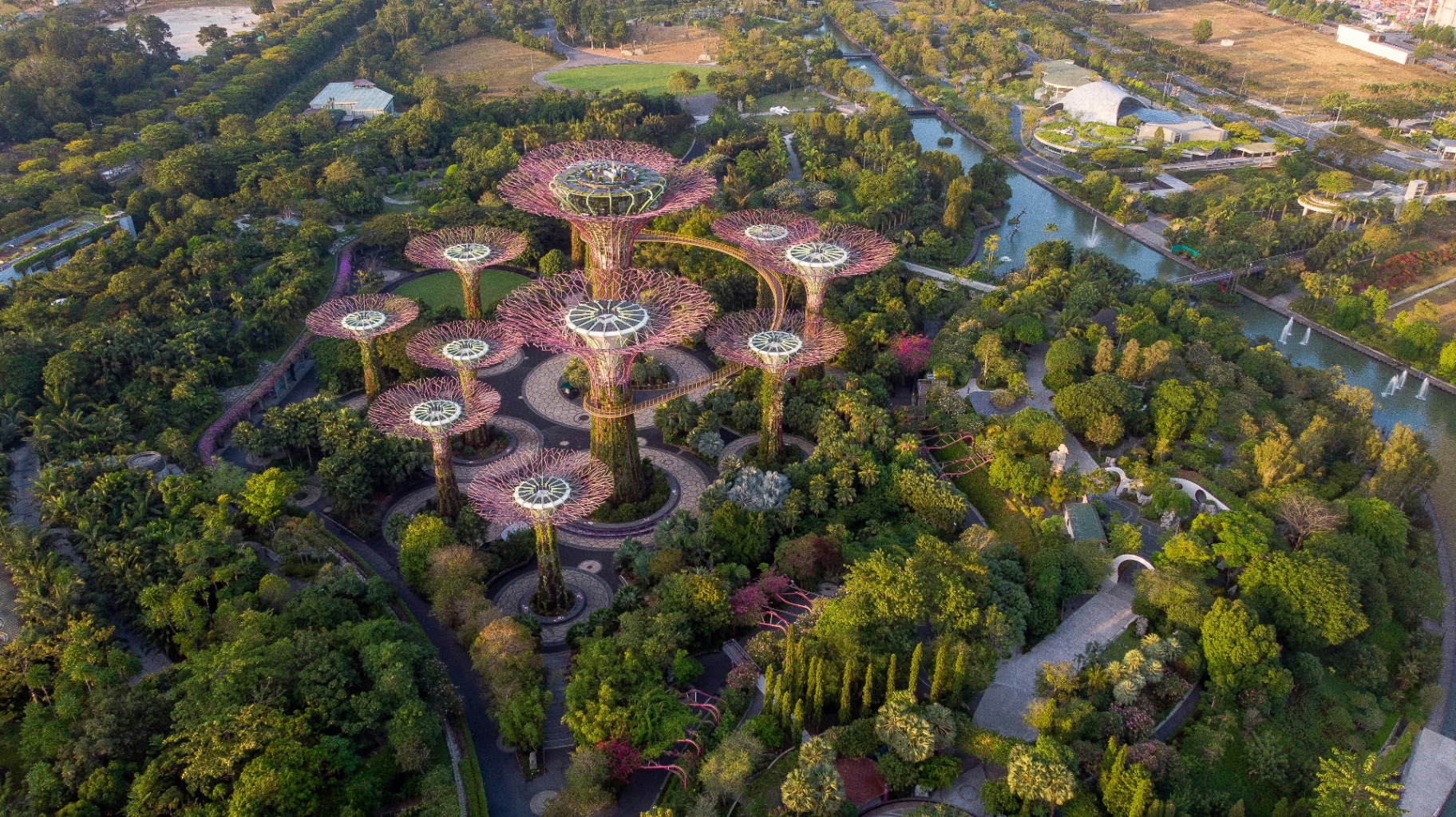
Gardens by the Bay

Gardens by the Bay

An iconic landscape of the city—where engineering, climate control, and planting come together to shape Singapore's "City in a Garden."

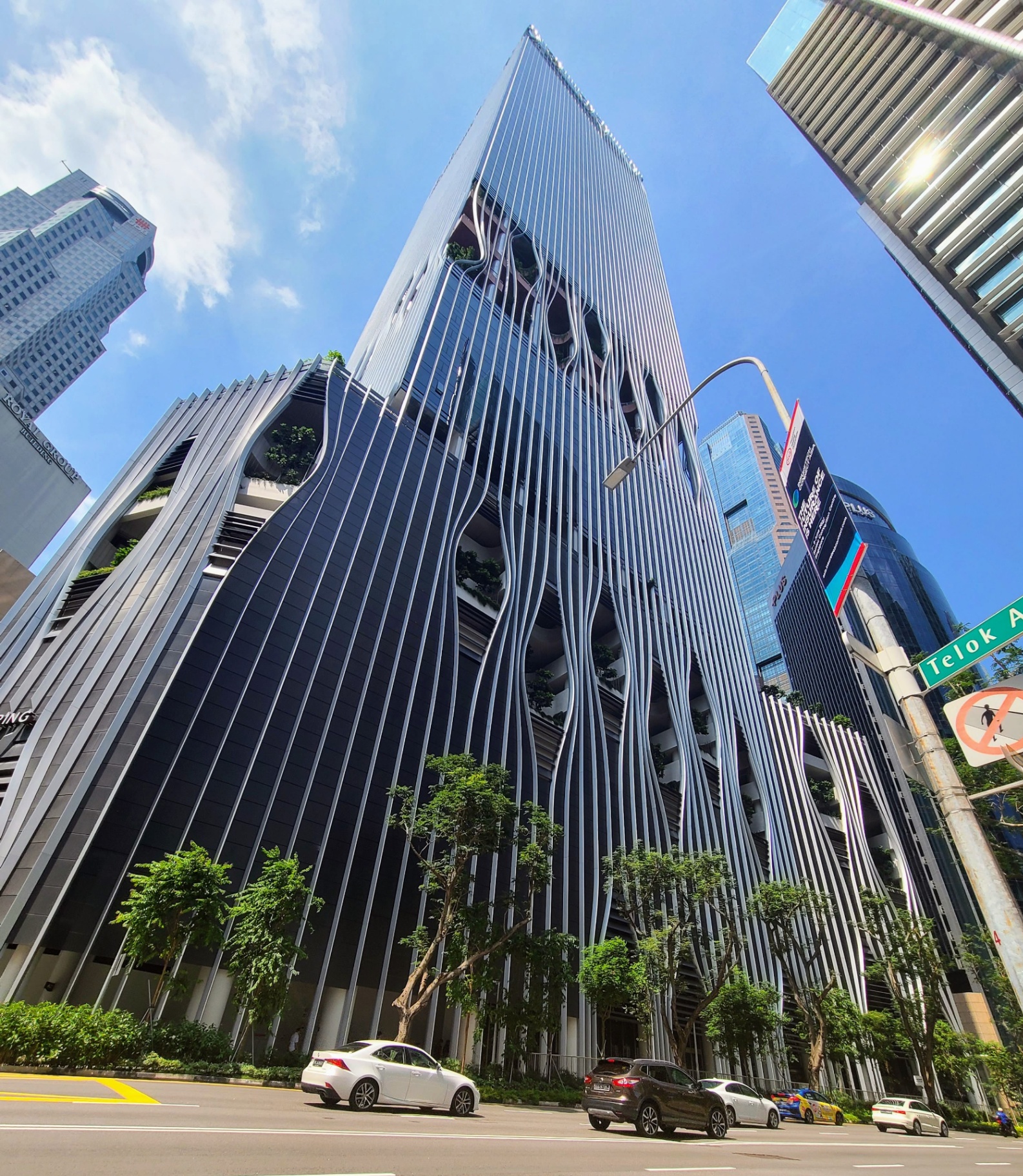
CapitaSpring

CapitaSpring

A new generation of city building—stacking work, greenery, and public space into a single high-rise in the heart of the CBD.

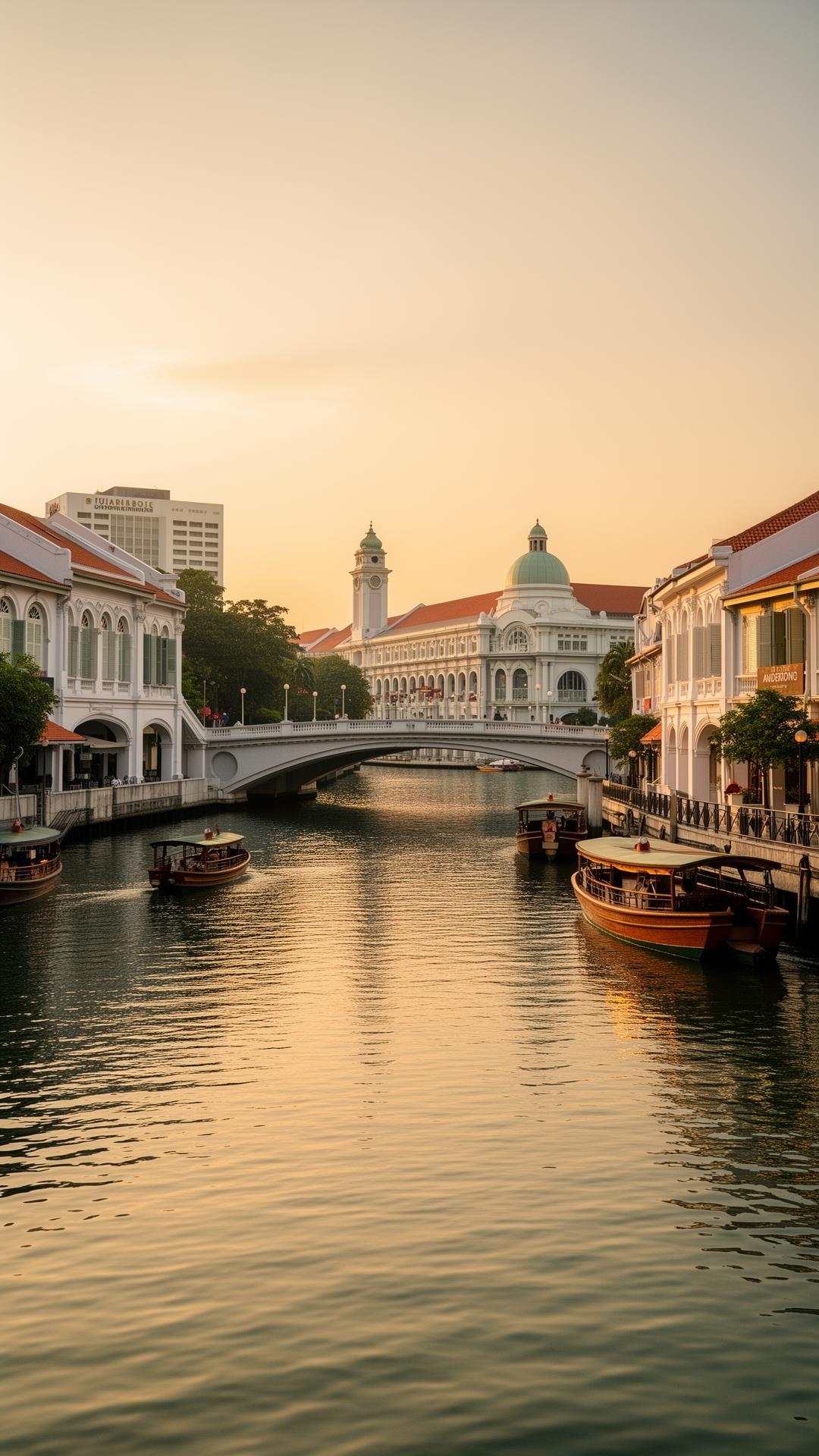
Singapore River Precincts

Singapore River Precincts

The historic core of the city—once a trading river, now a continuous stretch of waterfront life across Boat Quay, Clarke Quay, and Robertson Quay.

Day 4

Districts and Everyday Life

Heritage areas, new developments, and mobility systems—seeing how decisions translate into lived experience.

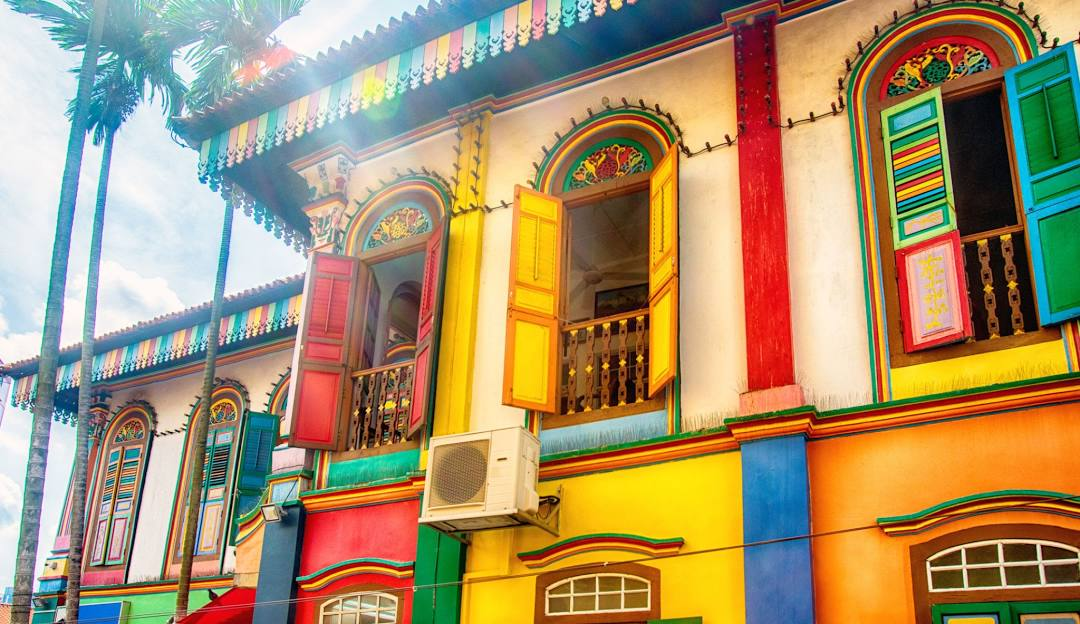
Little India

Little India

A historic neighbourhood - where culture, commerce, and everyday life continue to shape the street.

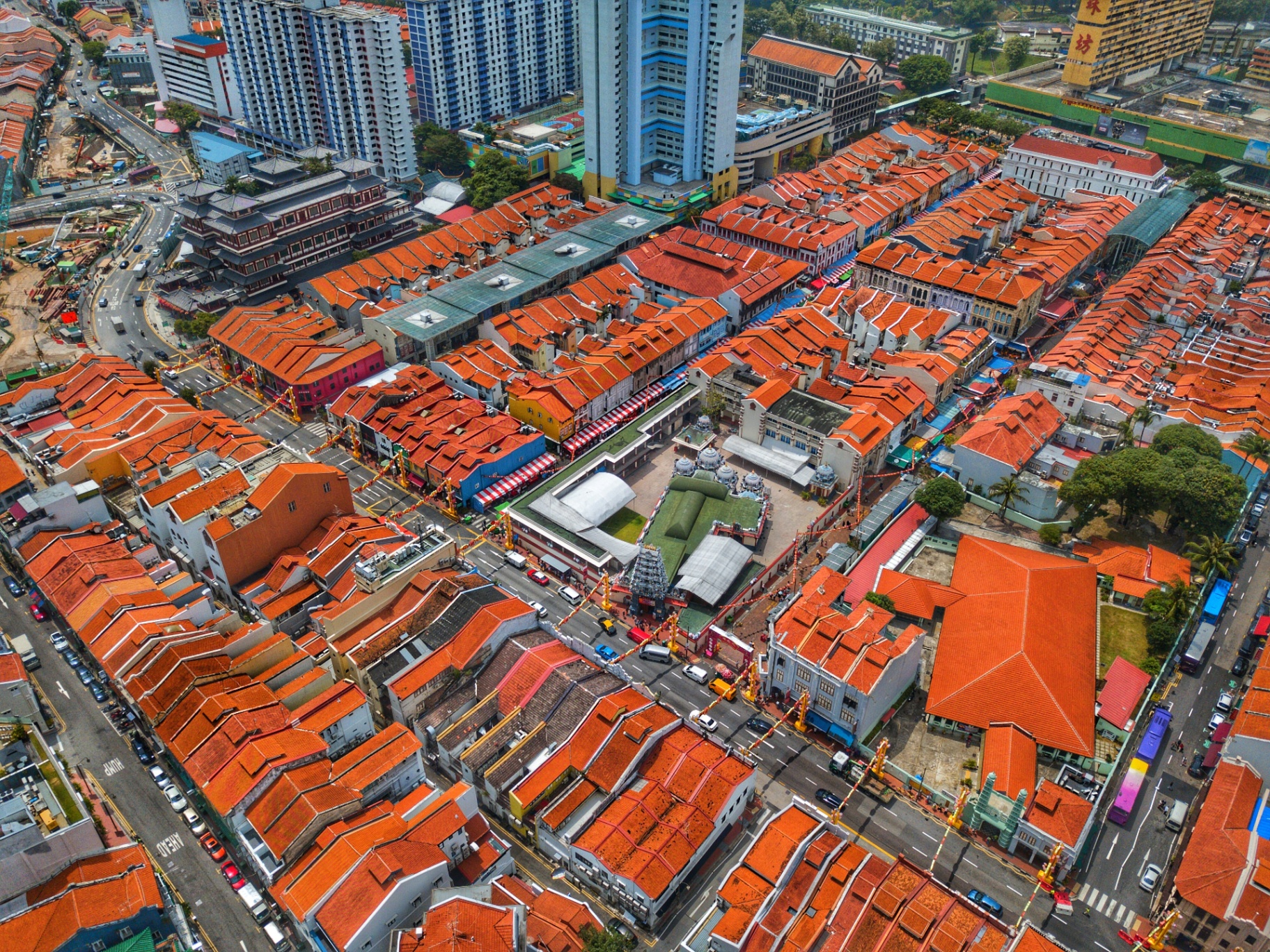
Chinatown

Chinatown

A preserved district—showing how heritage is retained and adapted within a changing city.

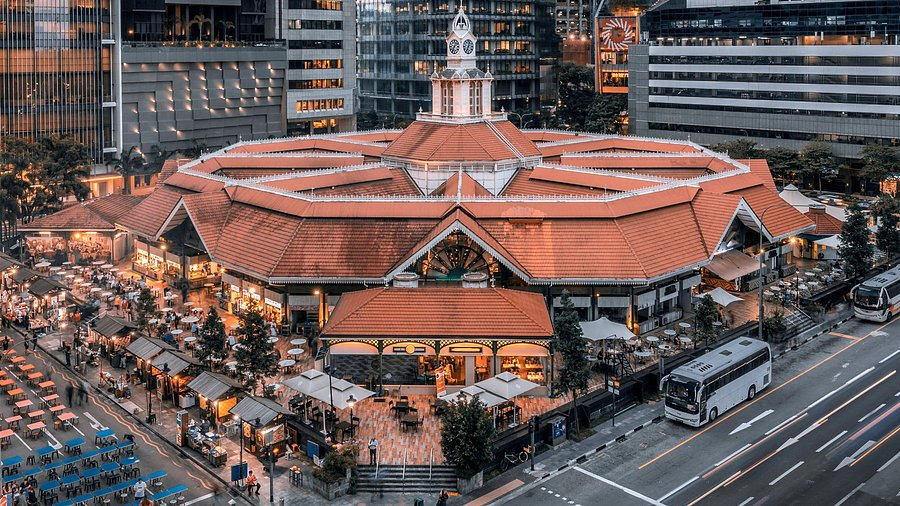
Lau Pa Sat

Lau Pa Sat

A central market hall—still functioning as a place to eat, gather, and move through in the CBD.

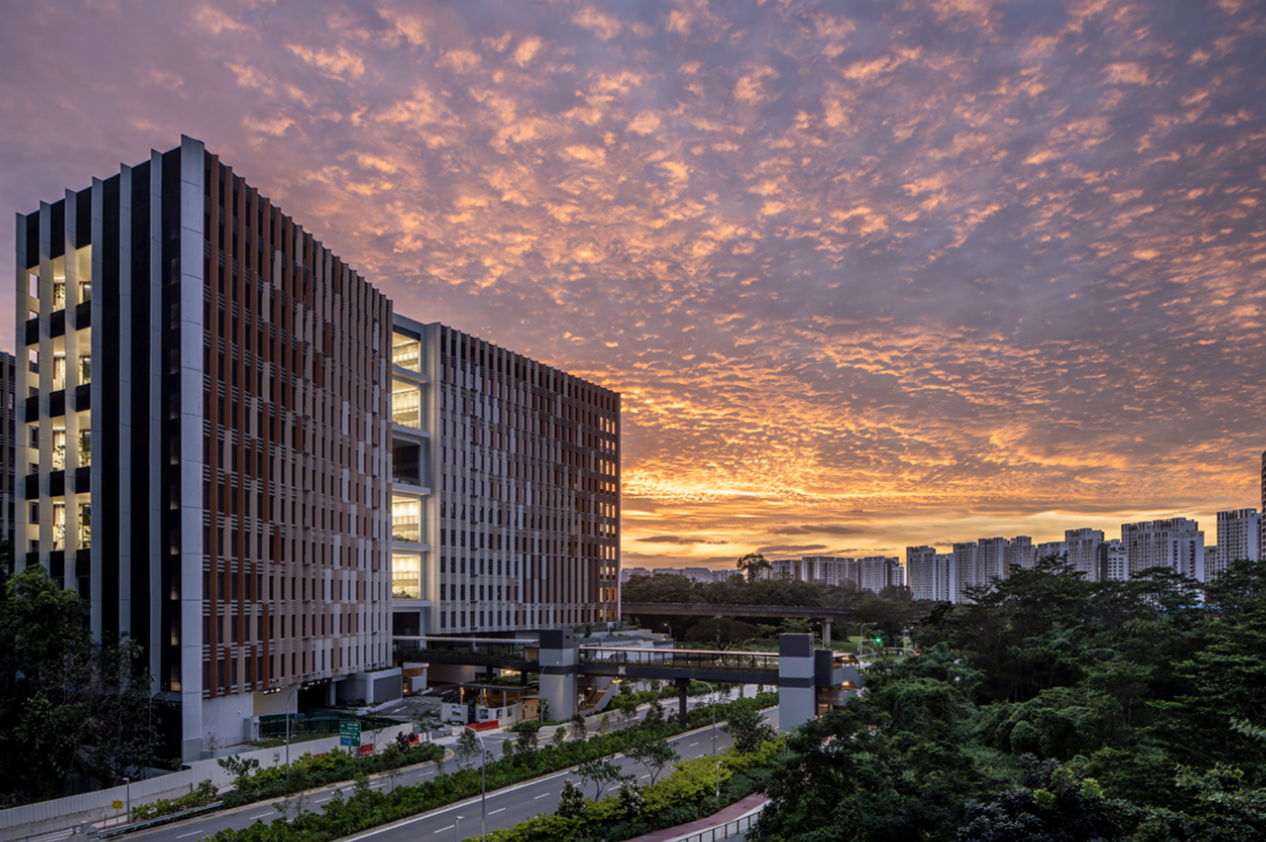
Punggol Digital District

Punggol Digital District

A new urban district—bringing together work, education, and living in a planned environment.

Who It's For

For those responsible for how cities actually work.

You are shaping decisions that affect how cities grow, connect, and function—often across systems that don't naturally align.

This programme is designed for a small, curated group working at that level.

  • Public sector leaders

    Working across planning, infrastructure, and delivery—navigating policy, complexity, and scale.

  • Developers and investors

    Shaping districts, projects, and long-term urban value.

  • Urban practitioners and advisors

    Working across design, strategy, and implementation—often between institutions.

What You Take Away
  1. Alignment.

    How a city aligns planning, policy, and delivery—across agencies, not in silos.

  2. Scale.

    How large-scale transformation is structured, financed, and sustained over time.

  3. Execution.

    What execution looks like in practice—through real projects, systems, and institutions.

  4. Agency.

    Where you can act differently—within your own system, institution, or project.

Apply · Request Invitation

Places are limited. Cohorts are small by design.

Participation is confirmed through application. We review on a rolling basis — early applications recommended.